
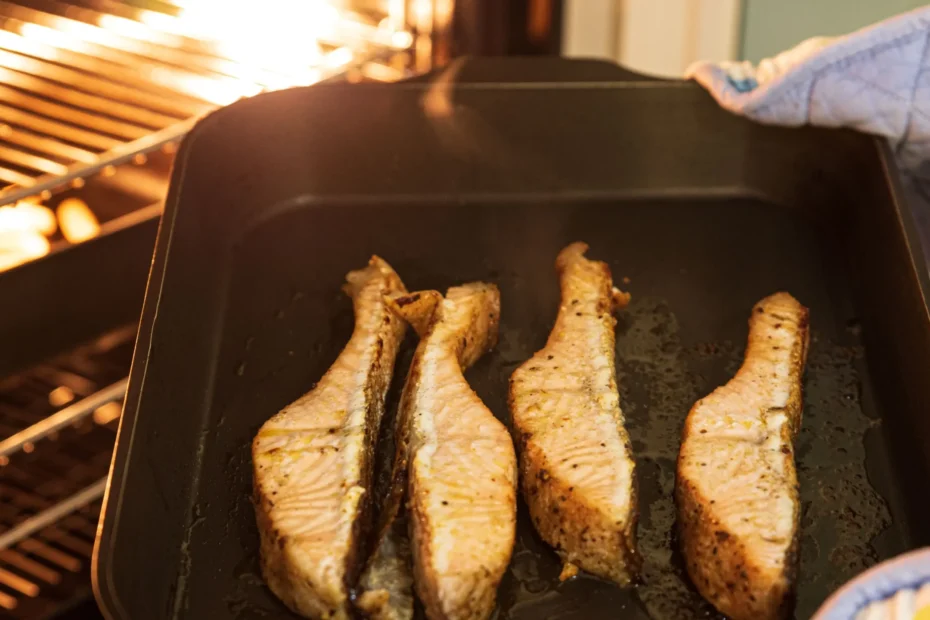
By the SmartHomeTips team · Kitchen
It’s 6:30 p.m., everyone is hungry, and you’re staring at two options: wait 15 minutes for the oven to preheat, or reach for the air fryer sitting on the counter. Both appliances can give you a crispy, golden dinner. But they are not the same tool, and choosing the right one for the job can save you time, energy, and a lot of frustration.
In this guide, we compare the air fryer vs oven on the things that matter in a real home kitchen: speed, taste, capacity, energy use, safety, cleanup, and cost. By the end, you’ll know which one to use for which meal, and whether you really need both.
The Short Answer
If you cook for one to three people and mostly make things like chicken pieces, vegetables, fries, reheated leftovers, or frozen snacks, an air fryer is usually faster and more convenient. If you bake, roast large cuts, or feed a bigger family, the oven is still the better workhorse. For most households, the smartest approach is to use each one where it shines.
| Factor | Air Fryer | Oven |
|---|---|---|
| Preheat time | Very short (often 2–5 minutes) | Longer (often 10–15 minutes) |
| Best for | Small to medium portions, crispy food | Large meals, baking, roasting |
| Capacity | Small (about 2–7 quarts for most models) | Large, multiple racks |
| Crispiness | Excellent | Good, with the right setup |
| Energy use for small meals | Generally lower | Generally higher |
| Kitchen heat | Little | A lot |
| Cleanup | Small basket, usually easy | Large cavity, racks, trays |
Times and sizes vary by model, so treat these as general guidance.
How Each One Actually Cooks
Understanding the difference helps you get better results from both.
A conventional oven heats a large chamber using heating elements (electric) or burners (gas). Many modern ovens also have a convection setting, which adds a fan to move hot air around the food.
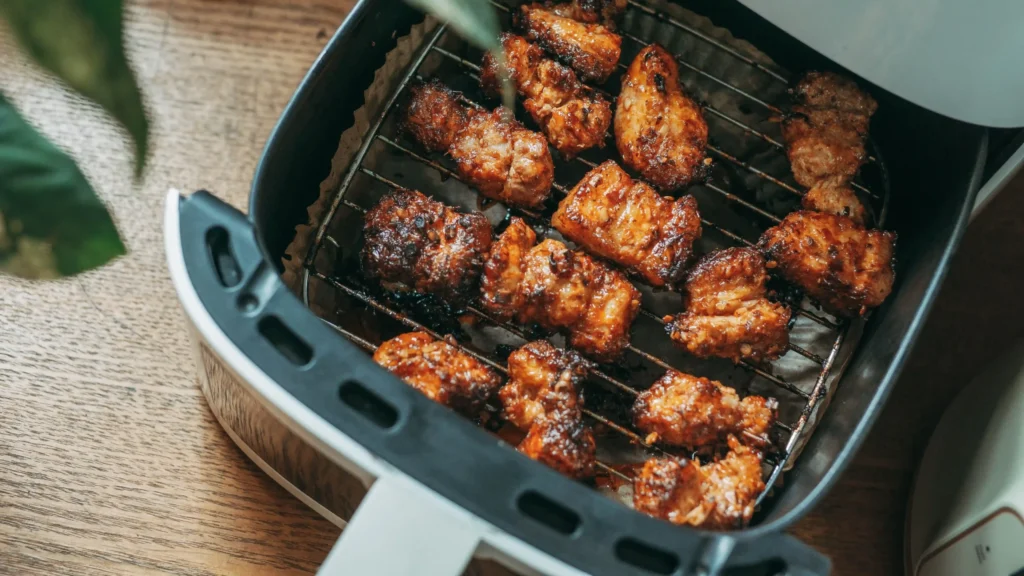
An air fryer is, in simple terms, a compact countertop convection oven. A powerful fan circulates hot air very quickly around a small space, so the surface of the food dries out and browns fast. Despite the name, it doesn’t fry anything in oil. It simply gives you a fried-style crunch with little or no added fat.
That’s the whole secret: a smaller space plus faster airflow equals faster, crispier cooking.
Speed: The Air Fryer’s Biggest Win
For everyday cooking, speed is where air fryers pull ahead.
- Preheating: Many air fryers are ready in a few minutes, and some recipes skip preheating altogether. A full-size oven often needs 10 to 15 minutes or more.
- Cooking time: Because the heated space is small, food often cooks in less time than it would in a standard oven. Recipes commonly suggest lowering the temperature or shortening the time when converting oven recipes to an air fryer.
On a busy weeknight, those saved minutes add up. Reheating a slice of pizza, crisping leftover fries, or cooking a couple of chicken thighs can be done before an oven would even reach temperature.
Taste and Texture
This is where personal preference comes in.
Air fryer strengths
- Crispy skin on chicken wings, drumsticks, and thighs
- Crunchy roasted vegetables like broccoli, Brussels sprouts, and cauliflower
- Reviving leftovers that would turn soggy in a microwave
- Frozen foods such as nuggets, fries, and spring rolls
Oven strengths
- Baking bread, cakes, cookies, and pies, where even, gentle heat matters
- Large roasts, whole chickens, and turkeys
- Casseroles, lasagna, and sheet-pan dinners for the whole family
- Cooking several dishes at the same time
Wet batters, cheesy toppings, and loose ingredients can also be tricky in an air fryer, because the fan may blow lightweight food around. Ovens handle these more gently.
Capacity: Where the Oven Wins
The air fryer’s small size is both its strength and its weakness. Most baskets hold enough for one to four servings. If you overcrowd the basket, hot air can’t circulate and food steams instead of crisping.
An oven can handle a full tray of vegetables, a big roast, and a side dish all at once. If you regularly cook for a large family or host dinners, you will want that space.
Tip: If you cook in batches in the air fryer, keep finished food warm in a low oven for a few minutes. It’s a simple way to combine both appliances.
Energy Use and Running Costs
No one likes a surprise on the electricity bill, so this is worth a look. Cooking is a modest part of a home’s total energy use, but the choices you make add up over a year.
The U.S. Department of Energy has noted that smaller appliances such as toaster and convection ovens use roughly one-third to one-half the energy of a full-size oven for small meals. You can find more efficiency advice on the U.S. Department of Energy website. Because an air fryer works like a compact convection oven, the same logic generally applies: heating a small chamber for a short time usually costs less than heating a large oven.
The oven is more efficient for large meals, though. If you’re already cooking a full tray, there’s no benefit in switching to a smaller appliance and cooking in several rounds. The Maryland Energy Administration also shares simple habits that help, such as avoiding opening the oven door too often and using the oven light to check your food instead.
Actual savings depend on your appliance wattage, local electricity rates, and how often you cook, so use this as a rule of thumb rather than a promise.
Is Air Frying Healthier Than Oven Cooking?
Air frying uses much less oil than deep frying, which can lower the fat and calorie content of foods like fries or chicken. Compared with oven cooking, the difference is usually small, because ovens also need little oil.
One thing worth knowing: any high-heat cooking can form a compound called acrylamide in starchy foods such as potatoes and bread. According to the U.S. Food and Drug Administration, acrylamide forms during high-temperature cooking such as frying, roasting, and baking, and the agency notes it is not clear exactly what risk it poses to humans. This applies to ovens and air fryers alike. Cooking starchy foods to a golden yellow rather than a dark brown is a simple way to reduce it.
Food Safety: Don’t Guess, Use a Thermometer
Both appliances can give you a crispy outside while the inside is still undercooked, especially with thicker cuts of meat. Color is not a reliable guide. The safest habit is to check with a food thermometer.
The USDA’s safe minimum internal temperature chart lists, for example, 165°F (74°C) for all poultry and leftovers, 160°F (71°C) for ground meats, and 145°F (63°C) for fish and for steaks, chops, and roasts, with a three-minute rest for the latter. The USDA also explains how to use a food thermometer correctly.
A smart wireless meat thermometer that sends alerts to your phone is one of the most useful upgrades you can make to either appliance.
Cleaning and Maintenance
- Air fryer: The basket and tray are small and often dishwasher safe, but grease can build up around the heating element and in the fan area over time. Wipe it down regularly and always check your manual. Non-stick coatings can wear if you scrub them with metal tools.
- Oven: Spills and splatters can bake onto the walls and racks, and large ovens take more effort to clean. A self-cleaning cycle helps, but it uses a lot of energy and should be run only when needed.
Smart Home Angle: Getting More From Both
Since this is a smart home blog, here are a few practical ways to modernize your cooking routine:
- Use a smart plug (only with appliances that support it). Many air fryers have a heating element and should only be controlled this way if the manufacturer says it’s safe. When in doubt, don’t. Never leave a cooking appliance running unattended on an automated schedule.
- Use voice timers. A smart speaker or display can run several timers at once, which is handy when the oven and the air fryer are both in use.
- Choose Wi-Fi connected models carefully. App control and preset programs are convenient, but they are not essential. Look for clear privacy policies and regular firmware updates before buying any connected appliance.
- Add a smart smoke and heat alert. A connected alarm that notifies your phone is a worthwhile safety layer in any kitchen.
- Help a loved one cook safely. Simple, easy-to-read appliances with auto shut-off are a great choice for older family members. Our guide on caring for a loved one at home has more ideas for safe routines.
Which One Should You Use? A Quick Cheat Sheet
Choose the air fryer for:
- Chicken wings, drumsticks, and thighs
- Roasted vegetables for one to three people
- Frozen snacks and fries
- Reheating leftovers so they stay crisp
- Quick weeknight dinners when you don’t want to heat the whole kitchen
Choose the oven for:
- Baking bread, cakes, and cookies
- Whole chickens, roasts, and turkeys
- Casseroles and lasagna
- Big family meals or batch cooking
- Cooking several dishes at once
Do You Need Both?
For most people, yes, at least for now. An oven is a permanent part of the kitchen and handles jobs that no countertop gadget can match. An air fryer is a convenient, affordable addition that takes over many of the quick, small-batch jobs.
If you’re short on counter space, check whether your oven already has a convection or air fry mode. Many modern ovens include one, and it can give you much of the same crisping power without buying another appliance.
If you’re deciding on a purchase, think about these points first:
- Size: Match the basket capacity to the number of people you cook for.
- Counter space: Measure before you buy, and leave room around the vents.
- Ease of cleaning: Look for removable, dishwasher-safe parts.
- Controls: Simple, clear buttons often beat complicated menus.
- Safety features: Auto shut-off and a cool-touch exterior are worth having.
Frequently Asked Questions
Is an air fryer cheaper to run than an oven?
For small meals, usually yes, because it heats a smaller space and preheats faster. For large meals, the oven can be the more efficient choice.
Can an air fryer replace an oven completely?
For most families, no. Air fryers are limited by size and are less suited to baking, large roasts, or cooking several dishes together. They work best as a companion to your oven.
Do I need to preheat my air fryer?
Many models don’t require it, but a short preheat can improve browning for some foods. Check your manual and recipe for guidance.
Is food from an air fryer healthier than food from an oven?
Air frying is generally healthier than deep frying because it uses far less oil. Compared with oven cooking, the difference is usually small.
Can I use foil or parchment in an air fryer?
Some models allow it, but it must never block airflow or touch the heating element. Always follow your manufacturer’s instructions.
Final Thoughts
The air fryer vs oven debate doesn’t have a single winner. The air fryer is faster, more convenient, and often cheaper to run for everyday small meals. The oven is the better choice for baking, large dishes, and family-size cooking. Use the air fryer for speed and crunch, use the oven for volume and versatility, and add a food thermometer so every meal is cooked safely.
Have a favorite air fryer recipe or an oven trick that works for you? Share it in the comments, and keep an eye on our Kitchen section for more practical, honest guides.
This article is for general information only. Always follow your appliance manufacturer’s instructions and local food safety guidance.
Pingback: Drip Vs Pod Vs French Press: Which Coffee Maker Fits You?