
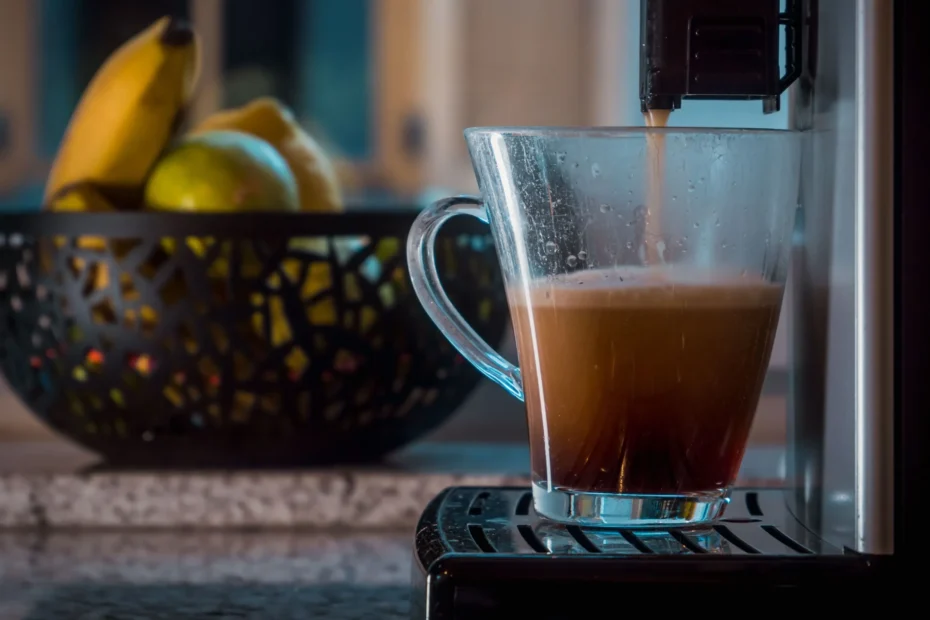
It is 6:45 a.m. You are not fully awake, the kids need breakfast, and the coffee maker on your counter is either your best friend or the reason you are running late. The truth is that the “best” coffee maker does not exist. The best one for you depends on how you wake up: rushed, relaxed, solo, or with a full house.
This guide compares the three most popular home brewers (drip machines, pod machines and the French press) in plain language. We look at taste, cost, cleanup, health notes and, because this is SmartHomeTips, how a few smart-home tricks can make each one easier to live with.
Quick Answer: Which One Should You Pick?
- Choose a drip coffee maker if you brew for two or more people, or you drink several cups a morning and want a set-and-forget routine.
- Choose a pod machine if speed and zero mess matter most, you drink one cup at a time, or everyone in the house wants a different flavor.
- Choose a French press if you love a rich, full-bodied cup, enjoy a slower ritual and want the lowest upfront cost.
Still unsure? Keep reading. The details below usually settle the debate.
Side-by-Side Comparison
| Feature | Drip | Pod | French Press |
|---|---|---|---|
| Best for | Families, multiple cups | Solo drinkers, speed | Flavor lovers, small budgets |
| Time to a cup | 5–10 minutes | About 1 minute | 5–6 minutes (plus heating water) |
| Taste | Clean, balanced | Consistent, milder | Bold, rich, full-bodied |
| Cost per cup | Low | Highest | Low |
| Upfront cost | Low to medium | Low to medium | Low |
| Cleanup | Easy (filter and carafe) | Easiest (toss the pod) | Moderate (wet grounds) |
| Waste | Paper filter, grounds | Plastic or aluminum pods | Grounds only |
| Smart-home friendly | Very (many Wi-Fi models) | Some models | Pairs with a smart kettle |
Drip Coffee Makers: The Reliable Workhorse
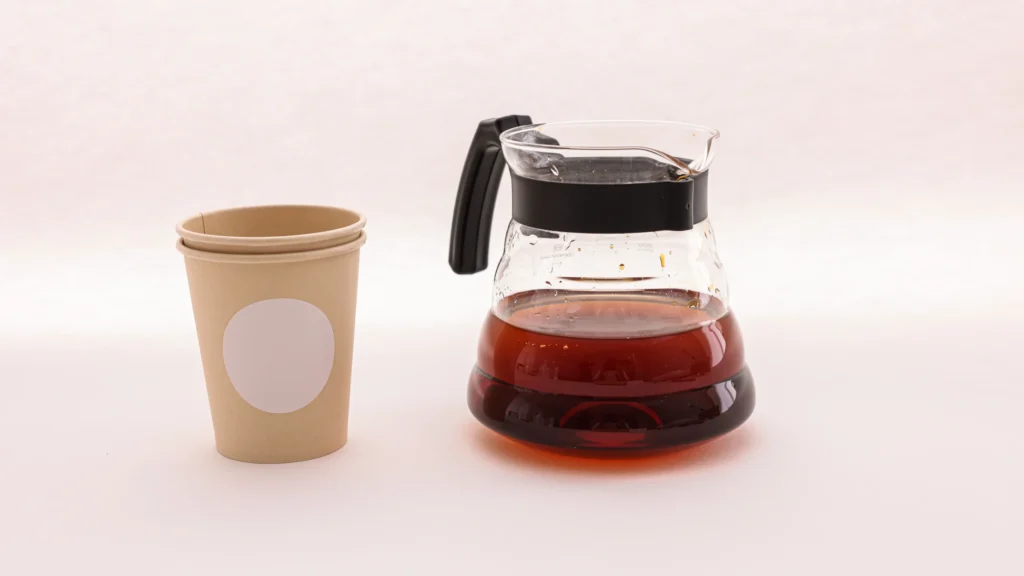
A drip machine heats water and sprays it evenly over a basket of ground coffee. Gravity pulls the brewed coffee through a filter into a carafe. It is the classic American morning, and for good reason.
What we like
- Great for groups. One batch fills a full carafe, so a household of three or four is served in one go.
- Low cost per cup. Ground coffee in a bag is the cheapest way to brew.
- Easy to automate. Programmable timers let you wake up to the smell of fresh coffee.
- A cleaner cup. Paper filters trap fine particles and oils, which gives a smooth, balanced flavor.
What to watch for
- Coffee left on a hot plate for too long turns bitter. A thermal carafe keeps it hot without scorching it.
- Mineral buildup slowly reduces performance. Descale every one to three months depending on your water hardness (follow your manufacturer’s instructions).
- Many budget models do not heat water to the ideal range. The Specialty Coffee Association recommends brewing water of about 195–205°F (90–96°C), and you can read their brewing protocols and best practices here.
Pro tip: For a balanced everyday cup, a common starting point is about 55 grams of coffee per liter of water (roughly 1:18 by weight). Use a cheap kitchen scale instead of scoops, and adjust a little stronger or weaker to taste.
Pod Machines: Speed and Simplicity
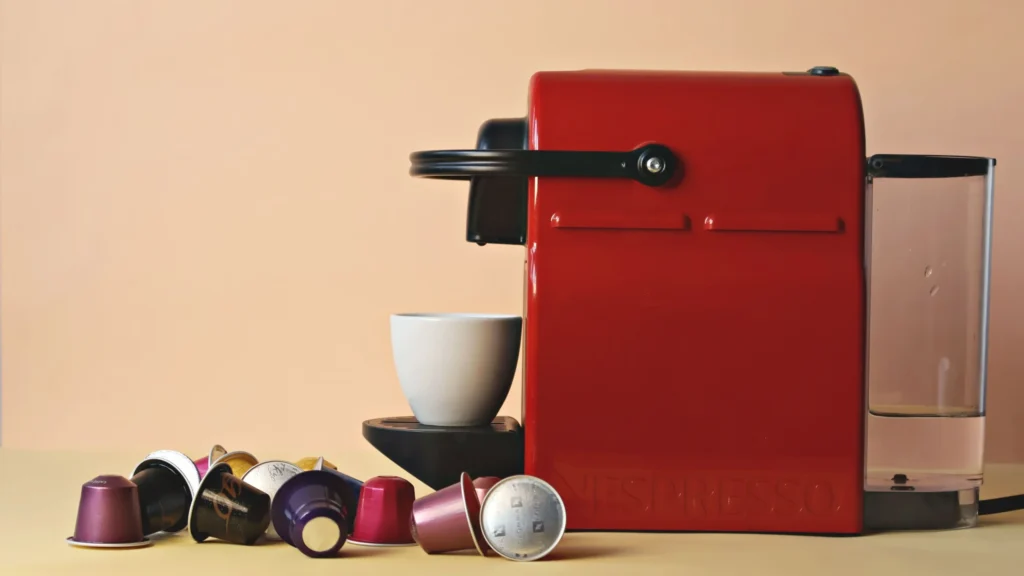
Pod machines force hot water through a sealed capsule of pre-measured coffee. You pop one in, press a button, and a fresh single cup appears in about a minute.
What we like
- Unbeatable convenience. No measuring, no grinding, almost no cleanup.
- Perfect for mixed households. One person drinks dark roast, another prefers decaf, and a third wants tea or hot chocolate. Everyone is happy.
- Consistency. Each pod makes the same cup every time.
What to watch for
- Cost adds up. Pods usually cost far more per cup than ground coffee. If you drink three cups a day, the difference over a year can be significant.
- Waste. Many pods are small plastic or aluminum capsules. Some are recyclable, but only if you separate the coffee from the pod and your local program accepts them, so check your area’s rules before assuming.
- Milder flavor. Pod brewing is quick, so it can taste lighter than a fresh-ground drip or press cup.
Money-saving tip: Many pod machines accept reusable refillable pods. You can fill them with your own fresh grounds, which cuts cost per cup and reduces packaging waste.
French Press: The Rich, Hands-On Ritual
A French press is beautifully simple: coarse grounds steep in hot water for about four minutes, then a plunger with a mesh filter pushes the grounds to the bottom. There is no electricity, no paper filter and very few parts to break.
What we like
- Full-bodied flavor. Steeping lets water extract more of the coffee’s natural oils, creating a thick, rich cup.
- Low upfront cost. A good press costs less than most electric machines.
- Total control. You decide the ratio, the steep time and the water temperature.
- Portable. It works in a kitchen, a camper or a power cut.
What to watch for
- Cleanup is messier. Wet grounds need to be scooped out, and the mesh needs regular rinsing.
- It is not perfectly smooth. Fine sediment slips through the mesh, so the last sip can be gritty.
- It needs separate heated water. You will need a kettle, which is where a smart kettle comes in (see below).
A Quick Health Note About Unfiltered Coffee
Coffee brewed without a paper filter, such as French press, contains more of a compound called cafestol, which research links to higher LDL (“bad”) cholesterol when consumed regularly in large amounts. According to NutritionFacts.org, switching to a paper filter can remove more than 90 percent of cafestol. For most healthy people, a cup or two of French press is unlikely to be a problem, but if you have high cholesterol or heart concerns, ask your doctor which brewing method is best for you. This article is general information and not medical advice.
The Smart-Home Angle: Make Any Brewer Smarter
This is where your morning gets genuinely easier. You do not need a $400 “smart” machine. A few small upgrades go a long way.
- Wi-Fi or app-enabled drip makers. Schedule a brew, start it from your phone as you get out of bed, or ask a voice assistant to begin. This is the easiest smart upgrade for families.
- A smart kettle for French press and pour-over. Many models let you set an exact temperature, and some can start heating before you are out of bed. Aim for water just off the boil.
- A smart plug, with one important caution. Coffee makers draw a lot of power. Only use a smart plug rated for the machine’s wattage, never an extension cord or under-rated adapter, and never leave a heating appliance powered unattended unless the manufacturer says it is designed for that. When in doubt, choose a coffee maker with a built-in timer instead.
- Smart scales and timers. Bluetooth kitchen scales that track brew time help you repeat your best cup every morning.
- Routines. Tie your coffee to a wake-up routine: lights fade on, the kettle heats, the news plays. Small automations make mornings feel calmer.
If you enjoy kitchen tech comparisons, you may also like our guide on Air Fryer vs Oven: Which Is Better for Everyday Cooking?
How to Choose Based on Your Morning
You are always in a hurry. Go with a pod machine, or a programmable drip maker that has your coffee ready the moment you walk into the kitchen.
You share your home with family or roommates. A drip machine with a thermal carafe is the most economical and practical choice.
You live alone and drink one or two cups. A pod machine with a reusable pod, or a small French press, avoids wasted coffee.
You care most about flavor. Try a French press, or use a drip machine with fresh, whole-bean coffee ground just before brewing.
You are on a tight budget. A French press plus an inexpensive kettle is hard to beat for value.
You are eco-conscious. French press (grounds can be composted) or a drip machine with a reusable filter creates the least packaging waste.
Common Mistakes That Ruin Any Cup
- Using old or stale beans. Coffee tastes best within a few weeks of roasting. Store it in an airtight container, away from heat and light.
- Wrong grind size. Coarse for French press, medium for drip. Too fine in a press makes bitter, muddy coffee.
- Skipping the cleaning. Old coffee oils and mineral deposits create sour, stale flavors. Wash removable parts regularly.
- Guessing the measurements. A scale solves most inconsistent coffee problems.
- Using bad water. Coffee is about 98% water, so if your tap water tastes off, your coffee will too. A simple filter pitcher can make a noticeable difference.
A Note on Caffeine
Whatever method you choose, keep your daily intake in mind. The U.S. Food and Drug Administration says up to 400 milligrams of caffeine a day, about four or five cups of coffee, is generally not associated with negative effects for most healthy adults. You can read their guidance in Spilling the Beans: How Much Caffeine Is Too Much?. Needs vary, and pregnant people or those with health conditions should talk to a healthcare professional.
Frequently Asked Questions
Which coffee maker makes the strongest coffee? A French press usually tastes the boldest because the grounds steep directly in the water. For caffeine, strength depends on your coffee-to-water ratio, not only on the method.
Are pod machines worth it? They are worth it if convenience and variety matter more to you than cost per cup. If you drink a lot of coffee, drip or French press is usually cheaper.
Is drip coffee healthier than French press? Paper-filtered coffee contains less cafestol than unfiltered coffee, which matters mainly for people watching their cholesterol. Both can fit into a balanced diet for most healthy adults.
Can I use a smart plug with my coffee maker? Only if the plug is rated for the coffee maker’s power draw and the manufacturer’s instructions allow it. A coffee maker with a built-in timer or Wi-Fi scheduling is a safer choice.
How often should I clean my coffee maker? Wash removable parts after every use or every few days, and descale periodically according to your water hardness and the manufacturer’s guidance.
Final Thoughts
There is no single winner in the drip vs pod vs French press debate, only the best match for your habits. If you want volume and value, choose drip. If you want speed and variety, choose pods. If you want rich flavor and a calm ritual, choose the French press. And whichever you pick, a few smart-home touches, like a timer, a smart kettle or a simple routine, can turn a rushed morning into a smoother one.
Which brewer lives on your counter? Tell us in the comments, and let us know which kitchen gadgets you would like us to compare next.
SmartHomeTips shares general home and kitchen information. Always follow your appliance manufacturer’s safety instructions.